House Fire in Boca Raton? What to Do After the Fire Is Out
After a fire, your first priorities are your family's safety and getting the right information from the fire department. Once it's safe, the damage usually goes beyond what burned: smoke and soot spread through the home, and the water used to put out the fire can soak floors and walls. Documenting everything early and starting cleanup and drying promptly helps limit further damage.
Right after the fire
The hours after a fire are stressful and disorienting. The American Red Cross recommends focusing first on people:
- Get medical care for anyone who was injured, including pets.
- Let family and friends know you're safe.
- Find a safe place to stay. If you need help with shelter, food, or medication, the Red Cross may be able to assist.
- Ask the fire department for a copy of the fire report or the incident number. Your insurance company will likely need it.
When is it safe to go back inside?
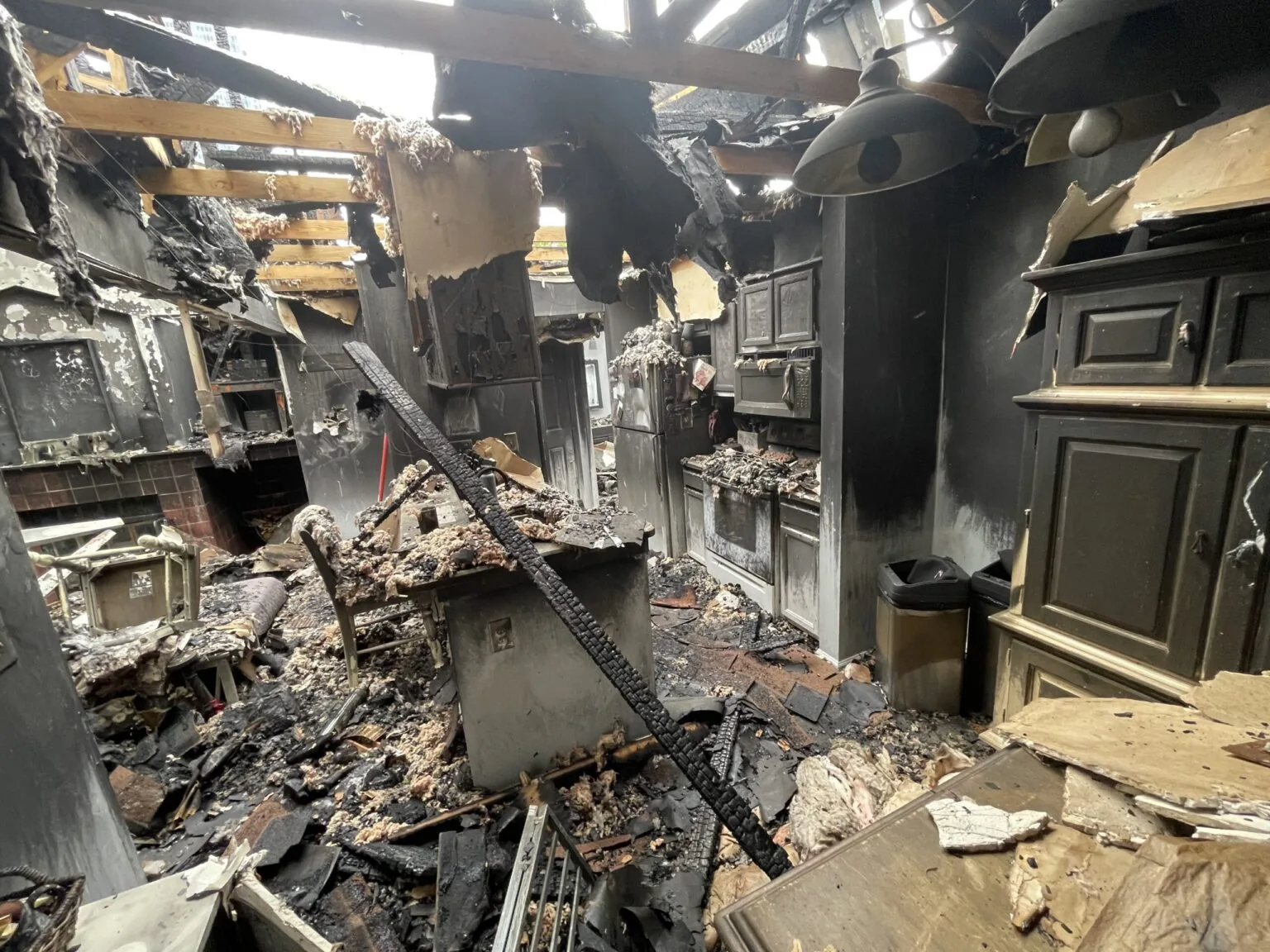
Don't go back in until local fire officials tell you it's safe. Even after the flames are out, a fire-damaged home can have hidden hazards:
- Weakened floors, ceilings, and roof structures.
- Damaged electrical wiring and gas lines. Utilities may have been shut off by the fire department, and they should only be restored by the utility company or a licensed professional.
- Smoldering materials that can reignite.
- Soot and ash that can irritate your lungs and skin.
The Red Cross publishes a checklist for checking your home after a fire. When you do go in, wear sturdy shoes, gloves, and a mask, and limit the time you spend inside.
Smoke and soot damage spreads farther than the fire
Even a small kitchen fire can leave soot on walls and ceilings in rooms far from where it started. Smoke travels through the home, settles on surfaces, and gets into closets, cabinets, and HVAC ducts.
Why soot needs careful cleaning
Soot residue is often oily or acidic. Wiping it with the wrong product, or with too much pressure, can smear it deeper into paint, grout, and fabrics. Some residues can etch or discolor surfaces like countertops and fixtures over time, so cleanup should begin as soon as the home is safe to work in.
Odor
Smoke odor lingers in porous materials such as drywall, insulation, upholstery, and carpet. Professional odor treatment focuses on cleaning or removing the residue that causes the smell, not just covering it up.
Water damage from firefighting
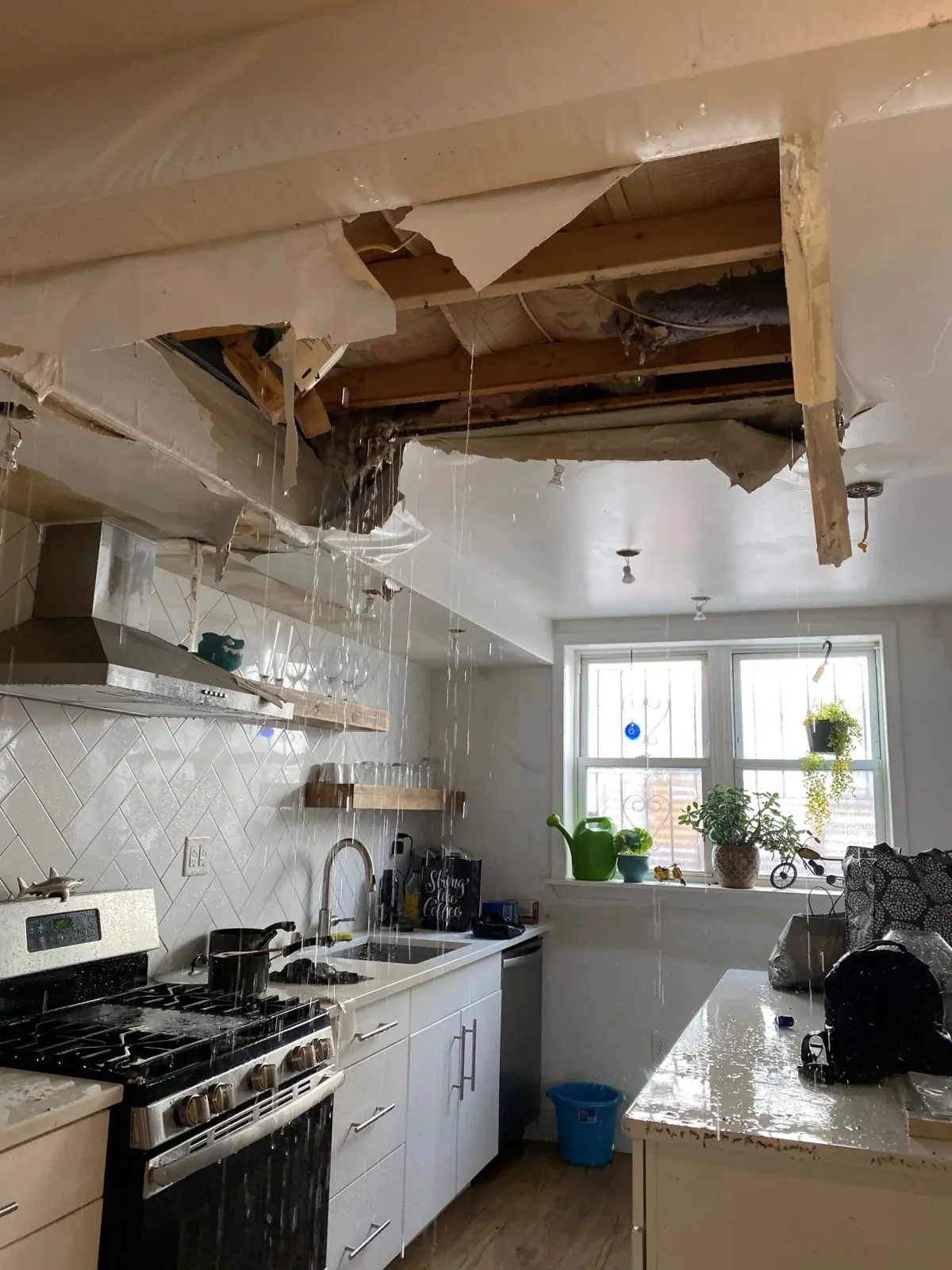
Water used to put out a fire is often the second major source of damage. It can soak drywall, insulation, flooring, and cabinets, and flow into rooms that weren't touched by the fire.
That water needs to be extracted and the structure dried like any other water loss. The EPA advises drying water-damaged materials within 24 to 48 hours to prevent mold growth. Our guide to the first 24 hours after water damage explains what that process involves, and our water mitigation team handles extraction and structural drying.
Document everything for your insurance claim
Contact your insurance company as soon as you can to report the fire and ask what they need. The U.S. Fire Administration's "After the Fire: Returning to Normal" booklet covers insurance, valuing property, and replacing important documents.
- Photograph and video every room before anything is moved or thrown away.
- Make a list of damaged belongings, with approximate age and value where you can.
- Keep receipts for temporary housing, meals, and other expenses related to the fire.
- Don't throw away damaged items until your insurer tells you it's okay.
- Throw away food, beverages, and medicine exposed to heat, smoke, or soot, as the Red Cross recommends.
Your insurance company decides what is covered. A restoration company can document damage with photos and notes that support your claim.
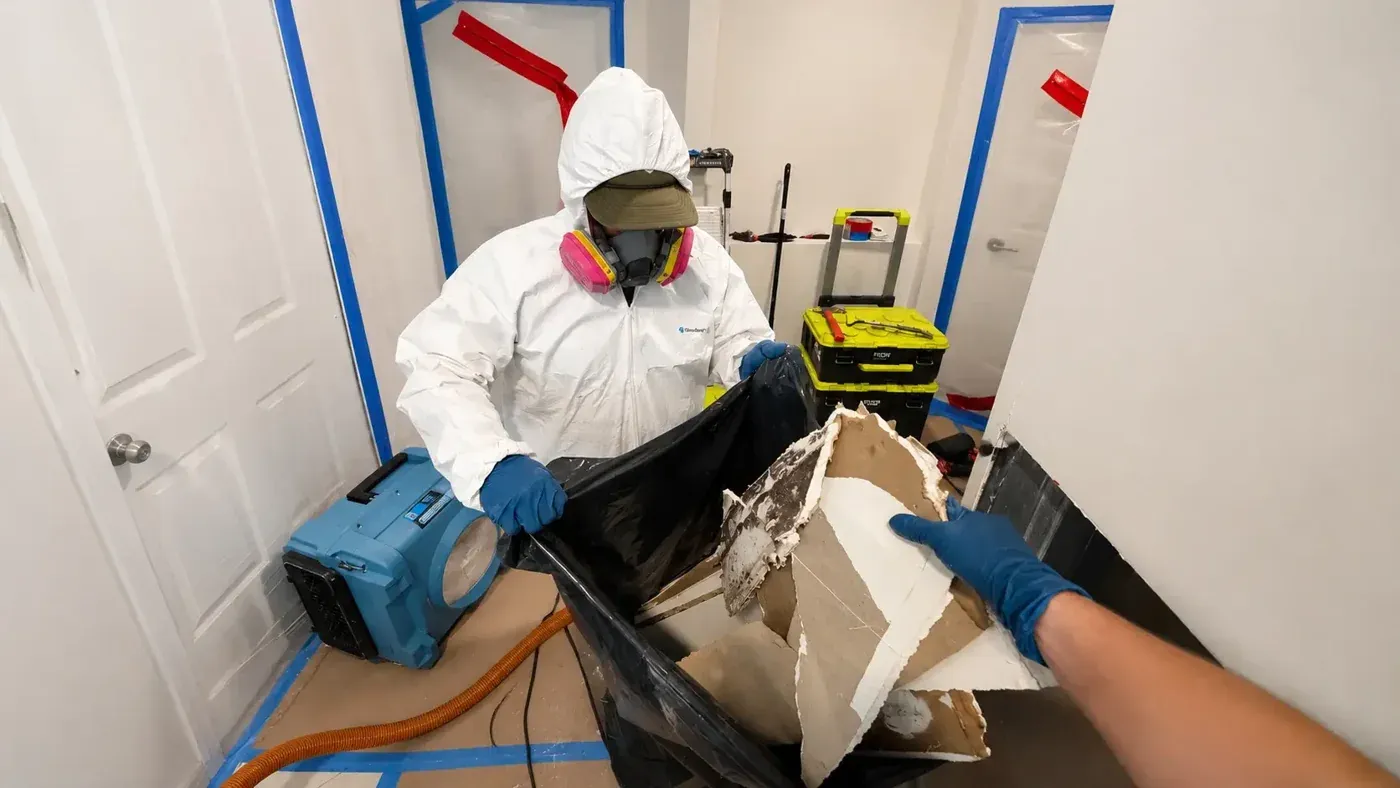
What professional fire damage restoration involves
Fire damage restoration typically moves through these stages:
- Assessment of fire, smoke, soot, and water damage throughout the property.
- Securing the property, which can include boarding up openings or tarping a damaged roof to keep weather out.
- Water extraction and drying where firefighting water soaked into the structure.
- Removal of debris and damaged materials that can't be cleaned.
- Soot and residue cleaning of walls, ceilings, cabinets, and other surfaces, using methods matched to the type of residue and the material.
- Odor treatment after the residue causing the smell has been removed.
Structural repairs and reconstruction
Once cleanup is complete, many fire losses require rebuilding: framing, drywall, insulation, cabinets, flooring, and paint. Electrical, plumbing, and HVAC systems exposed to heat or smoke should be inspected by the appropriate licensed trades.
BO Property Services' BO Renovation division handles reconstruction after fire damage, so the team that cleans up your home can coordinate the rebuild instead of handing you off to another contractor.
Frequently asked questions
How soon can I go back into my house after a fire?
Only after local fire officials say it's safe. Fire-damaged homes can have weakened structures, damaged wiring, and gas hazards even when the fire is out.
Can smoke damage be cleaned, or does everything need to be replaced?
Many surfaces can be cleaned when residue is removed with the right method and in a timely way. Porous materials heavily affected by smoke, heat, or water may need to be replaced. An on-site assessment is the way to know.
Why is there water damage after a fire?
Firefighting uses a large amount of water, which can soak into walls, floors, and cabinets, including in rooms the fire never reached. That water needs to be extracted and the structure dried to prevent further damage and mold.
Should I throw away food after a house fire?
The American Red Cross recommends throwing away food exposed to heat, smoke, or soot. The same caution applies to medicine and beverages.
Do you handle the rebuild after fire damage?
Yes. Our BO Renovation team handles reconstruction, from framing and drywall to cabinets, flooring, and paint.
Sources and further reading
- American Red Cross: Home Fire Recovery (opens in a new tab)
- American Red Cross: Checking Your Home After a Fire (opens in a new tab)
- U.S. Fire Administration: After a Fire (“After the Fire: Returning to Normal”) (opens in a new tab)
- U.S. EPA: A Brief Guide to Mold, Moisture, and Your Home (opens in a new tab)
This article is general information for homeowners, not legal, medical, or insurance advice. Follow instructions from local officials and your insurance company.